
The WordPress Community Is Built on Many Forms of Contribution
Building a Sustainable Culture That Supports Every Contributor
By WPWellbeing Team | Category: Community Wellbeing | Published: October 7, 2026
Core Reflection
One reason this conversation matters particularly in WordPress is the sheer variety of contribution. The official WordPress contribution ecosystem includes many teams and pathways — from development and testing to documentation, design, translation, support, community, and organizing. The current Contributor Pathways initiative groups contribution into areas such as Build, Design, Write, Test, Translate, Organize, and Promote. That diversity is a strength, but it also means there is no single “wellbeing solution.” Healthy contributor culture starts by understanding the people within it.
Contributor experiences can be very different across the ecosystem:
- A Core contributor may have different pressures from a Community volunteer.
- A documentation contributor may have different needs from a WordCamp organizer.
- A first-time contributor may need very different support from someone who has been contributing for years.
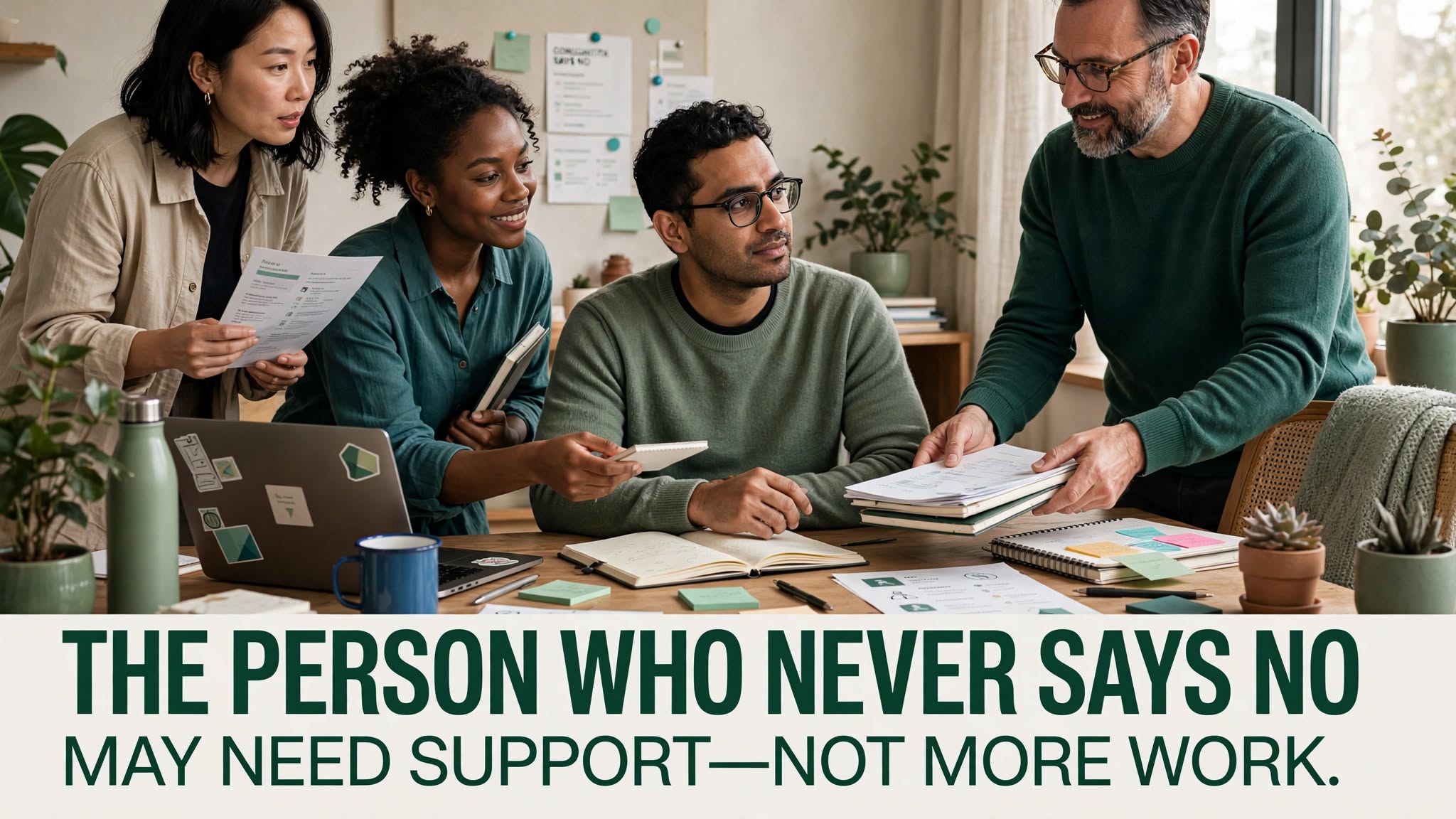
The Person Who Never Says No
Every community has one. Maybe you know them. They volunteer quickly, answer questions, organize meetings, help new contributors, take notes, fix problems, fill gaps, stay late, and step in when someone else can’t.
They are often described as reliable, committed, amazing, and a community champion. And they may genuinely love contributing. But there is a question leaders should ask:
“Are we appreciating this person — or quietly becoming dependent on them?”
There is a difference. Appreciation says: “Thank you for what you contribute.” Dependency says: “We expect you to keep doing it.” The first builds belonging; the second creates immense pressure.
1. Stop Measuring Commitment by Availability
One of the easiest mistakes a community can make is confusing availability with commitment. Someone who replies within five minutes isn’t necessarily more committed than someone who replies tomorrow. Someone who attends every meeting isn’t necessarily contributing more meaningfully than someone who works quietly behind the scenes.
A Healthier Community Asks:
“What contribution is sustainable for this person?” — rather than — “How much more can they do?”
This is particularly important in volunteer communities. If contribution happens alongside employment, business, family, education, and everyday life, expecting constant availability will eventually exclude people who cannot participate that way.
2. Make “No” Safe
A healthy community needs people who can say: “I can’t take this on,” without feeling guilty. That sounds simple, but it isn’t always. If every time someone says no, another person responds: “But we really need someone,” people quickly learn that “no” isn’t an acceptable answer. Eventually, they stop being honest about capacity, get overloaded, quality drops, resentment develops, and they disappear.
Leaders can change this pattern. When someone says no, try:
“Thanks for being clear about your capacity. What would make this manageable?”
Sometimes the answer is a smaller task, a different deadline, shared responsibility, better documentation, another volunteer, or simply no task right now. A community becomes healthier when capacity is treated as information — not as a character flaw.

3. Share Responsibility Before Someone Burns Out
One of the clearest warning signs of an unhealthy community is when the same few people repeatedly carry everything: one organizer, one moderator, one mentor, or one person who knows how everything works. This creates a hidden risk where knowledge becomes concentrated. If that person needs a break, the system struggles. This isn’t only a wellbeing issue — it’s a resilience issue.
- Who knows how this process works?
- Who can step in if this person is unavailable?
- Is the knowledge documented?
- Are responsibilities rotated and new people given opportunities to learn?
WordPress’s contributor infrastructure is already moving toward clearer pathways and better visibility of contribution. Community wellbeing can build on that same principle: Make contribution easier to understand — and easier to share.

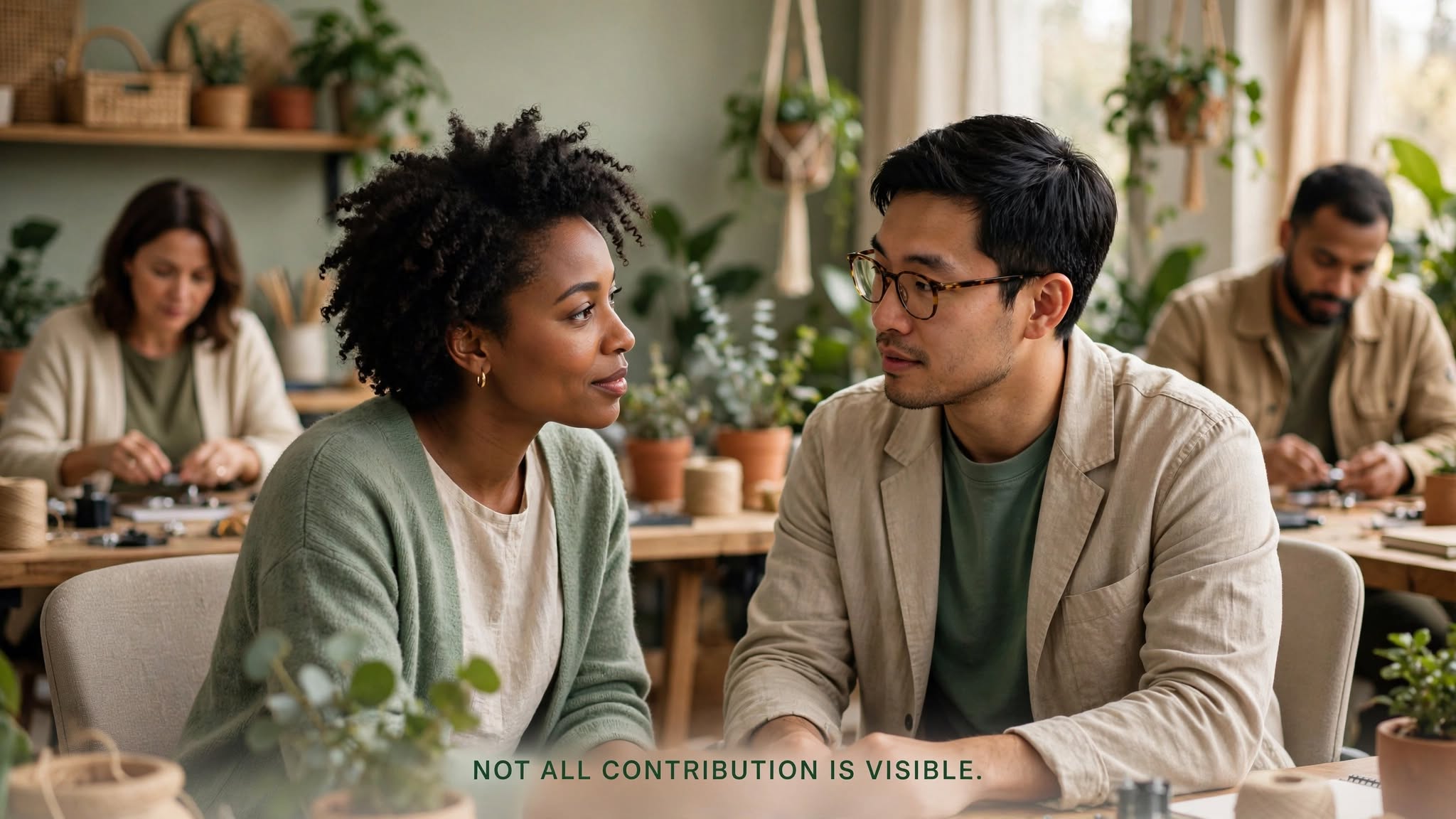
4. Don’t Forget Invisible Work
Not all contribution appears in a GitHub activity graph or a public list. Some of the most emotionally demanding work can be invisible:
- Welcoming someone who feels lost
- Helping resolve conflict
- Mentoring a new contributor
- Answering the same beginner question repeatedly
- Supporting someone after a difficult interaction
- Organizing people behind an event and remembering details nobody else sees
This is work, and it matters. Community leaders should recognize emotional and relational contribution, not just technical output.
5. Make Recovery Part of the Community Rhythm
Recovery shouldn’t begin only when someone says “I’m burned out.” It should be built into the rhythm of contribution, particularly around major events like WordCamps.

A Healthier Event Approach:
- Before the event: Set realistic responsibilities.
- During the event: Encourage breaks and rotate demanding roles.
- After the event: Create recovery space — don’t assume people can jump immediately into another major workload.
6. Design Better Communication Norms
Digital communication can make communities feel connected, but it can also make people feel permanently reachable. The problem isn’t the tool; it’s the expectations surrounding it. A healthy community establishes norms such as:
- Urgent doesn’t automatically mean immediate.
- Not every message needs a response, and silence doesn’t mean disengagement.
- Different time zones are normal, and personal time deserves respect.
7. Make Contribution Easier to Start — and Easier to Leave
A healthy community shouldn’t only think about onboarding; it should think about offboarding too. While new contributors need clear pathways and scoped routes, experienced contributors need permission to step back gracefully.
Someone should be able to say “I need to pause for three months” without feeling like they’ve failed. And when they return, the response should be “Welcome back” — not “Where have you been?”
8. Recognize Contribution Without Creating Pressure
Recognition is important, but if the same people are constantly praised for doing the most, others may believe they must overextend to be valued. Instead, celebrate:
- Consistency & Mentorship
- Documentation & Process Improvements
- Behind-the-scenes work & Teamwork
- Knowing when to step back for personal wellbeing
9. Ask Better Wellbeing Questions
Instead of a generic “Everything okay?”, try asking:
- “How is your current level of contribution feeling?”
- “Is your current role still manageable?”
- “Is there anything you’re carrying that should be shared?”
10. Don’t Turn Wellbeing Into Another Task
Wellbeing isn’t another performance metric or self-care checklist. It’s about creating conditions where people can participate without sacrificing their health, time, relationships, or boundaries. Sometimes the solution isn’t “you need better time management” — it’s “we need to change how this work is organized.”
A Simple Community Wellbeing Framework
1. CLARITY: Clear responsibilities, non-responsibilities, and help resources.
2. CAPACITY: Realistic expectations and a safe space to say “I don’t have capacity.”
3. CONNECTION: Feeling welcomed, heard, appreciated, and included.
4. RECOVERY: Ability to take breaks, step away, and return without guilt.
5. SHARED RESPONSIBILITY: Distributed knowledge so the community doesn’t depend on just a few.
A 10-Minute Community Wellbeing Check
- Contribution: Are the same people repeatedly carrying the workload?
- Capacity: Can contributors comfortably say no?
- Communication: Are people expected to respond immediately?
- Recognition: Are invisible contributions being recognized?
- Knowledge: Would the community struggle if one key person stepped away?
- Recovery: Do contributors have realistic opportunities to recover after major events or projects?
- Belonging: Do newer contributors feel safe asking questions?
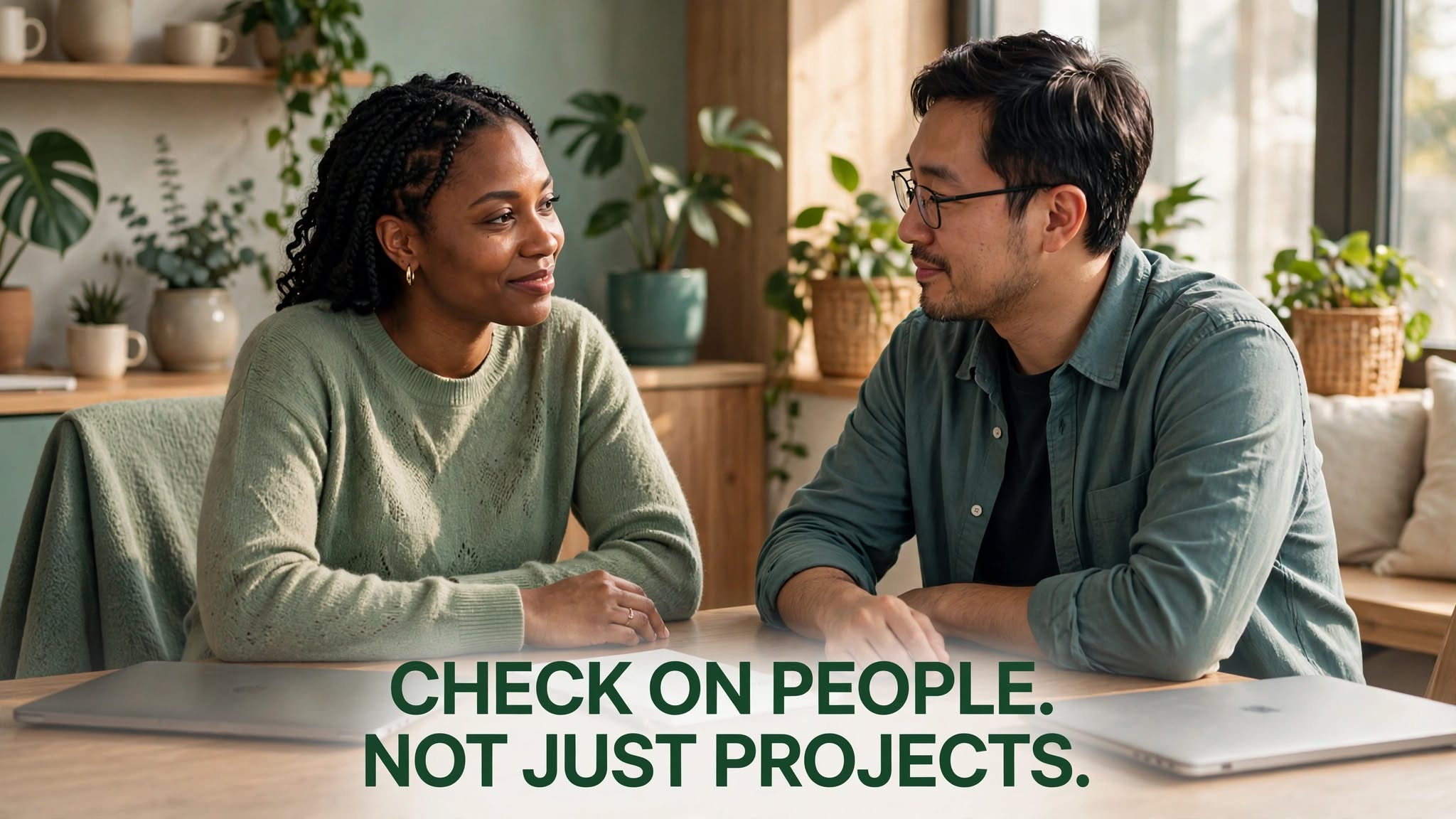
- Leadership: Do leaders check on people — not only projects?
- Flexibility: Can someone reduce their contribution without losing belonging?
- Culture: Are we celebrating sustainable contribution — or simply rewarding people who do the most?
What Community Leaders Can Do This Month
- 1. Identify your “always available” contributors: Check in on them — don’t give them more work.
- 2. Ask one person what they need: Listen to what would make their role more sustainable.
- 3. Review one recurring responsibility: See if it can be shared or rotated.
- 4. Normalize delayed responses: State publicly that async and delayed replies are respected.
- 5. Thank someone for taking a break: Try saying: “Thank you for taking care of yourself. We’ll be here when you’re ready.”
A Healthier Definition of Community Success
We often measure communities through numbers — contributors, events, contributions, attendees, projects, messages, and meetings. While these numbers tell us something, they don’t tell us everything. A healthier community asks: Are people staying? Do they feel they belong? Can they contribute without overextending themselves?
Because a community can look busy from the outside while quietly exhausting the people inside it.
“The strongest contributor isn’t necessarily the person who gives the most. It may be the person who knows when to contribute, when to ask for help, when to share responsibility, and when to rest.”